Cessna Nose Gear Strut Assembly: Aircraft Ground Handling and Structural Component
Cessna Nose Gear Strut Assembly: Aircraft Ground Handling and Structural Component
Blog Article
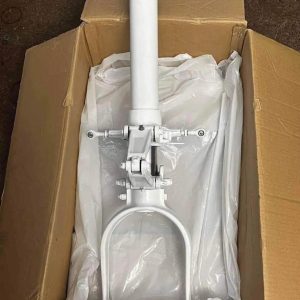
The Cessna Nose Gear Strut Assembly combines load support, controlled compression, wheel positioning, and steering-related functions within the aircraft’s complete landing-gear system.
Whether buyers search for a Cessna Nose Landing Gear Strut, Cessna Nose Gear Assembly, Cessna Landing Gear Strut, or Cessna Nose Strut, exact part identification should guide the purchase.
Clear descriptions help buyers determine whether the listing includes a complete assembly, partial strut, housing, piston, fork, or related hardware.
These related terms help connect the product with aircraft owners, maintenance facilities, restorers, and general aviation parts buyers.
Accurate product information supports responsible purchasing and reduces installation delays.
Why Exact Landing Gear Identification Matters
Every dash number, suffix, revision, modification, and subcomponent marking should be recorded more info because similar-looking Cessna nose gear assemblies may not be interchangeable.
Included items may vary and can involve the strut body, piston, fork, axle, torque links, steering collar, seals, bearings, spacers, hardware, wheel, or tire.
Understanding Ground Loads on the Front Gear
During taxiing, braking, turning, landing rollout, towing, and movement across surface irregularities, the assembly can experience vertical, lateral, and torsional forces.
Inspection should extend beyond the removable assembly to the mounting areas, firewall or support structure, brackets, steering components, wheel fork, and surrounding fasteners where applicable.
Understanding the Cessna Shock Strut Assembly
A shock strut is designed to compress and extend in a controlled manner as the aircraft encounters landing and ground loads.
Excessive compression, insufficient extension, rapid rebound, leakage, sticking, or uneven movement can indicate servicing, seal, internal-surface, alignment, or load concerns.
Nose Wheel Steering and Directional Control
Loose steering components can contribute to poor directional response, uneven tire wear, shimmy, and unpredictable ground handling.
Towing procedures should respect the aircraft’s steering limitations.
Selecting the Correct Replacement Nose Gear
Model-specific verification reduces unsuitable purchases and installation delays.
Supplemental modifications, replacement forks, wheel conversions, tire changes, steering alterations, and airframe repairs can affect compatibility.
Checking Chrome and Machined Surfaces
Detailed inspection supports reliable Aircraft Nose Gear Strut evaluation.
The piston should move through the permitted range without binding, roughness, excessive side play, or abnormal resistance.
Inspecting the Nose Gear Strut for Leaks
A small film of fluid and an active leak should be distinguished using applicable maintenance guidance.
Professional service supports reliable shock absorption and reduced maintenance recurrence.
Protecting Cessna Landing Gear Components
Complete corrosion inspection supports responsible General Aviation Landing Gear Parts purchasing.
Fastener holes, fork transitions, cylinder ends, and welded or machined areas deserve close attention.
Crack, Bend, and Impact-Damage Inspection
The assembly should be inspected for cracks, bending, twisting, damaged welds, distorted mounting features, and impact marks.
Straightening, welding, machining, or other repair history should be documented.
Maintaining Wheel and Tire Geometry
Fork alignment influences wheel tracking, steering response, tire wear, and clearance around fairings or nearby components.
Used hardware should not be reused automatically without applicable inspection.
Torque Links, Bushings, and Pivot Points
Excessive play can contribute to wheel misalignment, vibration, shimmy, and accelerated component wear.
Improperly installed bushings, unsuitable bolts, missing washers, or altered holes can affect steering and strut movement.
Understanding Ground Vibration Causes
Replacing the strut assembly alone may not correct the concern if other components remain defective.
Professional evaluation promotes smoother ground handling and longer component life.
Servicing the Cessna Shock Strut
Shock-strut servicing should follow the exact aircraft maintenance procedure for fluid type, quantity, pressure, extension, loading condition, and safety precautions.
The aircraft should be positioned and supported safely before servicing or disassembling the nose gear.
Evaluating Internal and External Components
The exact scope should be defined in the work records rather than assumed from the word overhauled.
Complete records strengthen the commercial value of the Cessna Replacement Nose Gear.
Buying a Cessna Nose Gear Strut Assembly
Detailed review reduces unsuitable purchases and unexpected overhaul costs.
- Compare the assembly with the receiving aircraft’s illustrated parts information, mounting points, steering system, wheel fork, axle, tire, torque links, and approved hardware.
- Inspect or document corrosion, cracks, bends, scoring, pitting, leakage, chrome damage, worn bushings, loose pivots, elongated holes, damaged threads, fork alignment, and previous repairs.
- Inspect and photograph the assembly immediately after delivery before cleaning, servicing, disassembling, repairing, painting, or installing it.
Safe Freight Handling Procedures
Open ports and servicing fittings should be covered using suitable protective methods.
The receiver should inspect the crate for impact, puncture, water exposure, or shifting before opening.
Preventing Corrosion and Seal Damage
During storage, the strut should remain clean, dry, supported, labeled, and protected from impact, moisture, chemicals, dust, and uncontrolled handling.
Preservation materials should be removed through appropriate procedures.
Connecting Steering and Structural Components
Professional installation protects the aircraft and Cessna Nose Gear Strut Assembly.
Hoses, wiring, fairings, controls, and nearby components should maintain suitable clearance through the steering and compression ranges.
Taxi checks should begin conservatively and should monitor shimmy, pulling, vibration, abnormal noise, leakage, and steering behavior.
Reducing Landing Gear Wear
Small leaks, corrosion, looseness, tire wear, damaged coatings, unusual noise, or shimmy should receive timely attention.
Preventive care protects the aircraft, occupants, and landing-gear components.
Evaluating Used Aircraft Gear Pricing
Clean paint may improve presentation but does not replace structural, dimensional, and functional evaluation.
Commercial evaluation should focus on verified suitability rather than promotional claims.
Final Thoughts on the Cessna Nose Landing Gear Strut
The Cessna Nose Gear Strut Assembly offers stronger commercial value when its part number, removal history, inspection status, overhaul records, included hardware, and documentation are described accurately.
Careful technical and commercial evaluation can reduce compatibility problems, missing-parts expenses, overhaul surprises, installation delays, steering concerns, and documentation issues.
Whether the assembly is purchased for maintenance, overhaul, restoration, spare inventory, resale, or an aircraft project, transparent information and qualified oversight provide the strongest foundation.
With complete evaluation and continued care, the Cessna Nose Gear Strut Assembly can deliver a professional combination of structural support, shock absorption, steering stability, replacement value, and general aviation application potential.
Report this page